
How Certification in Marma Therapy Can Boost Your Wellness Business
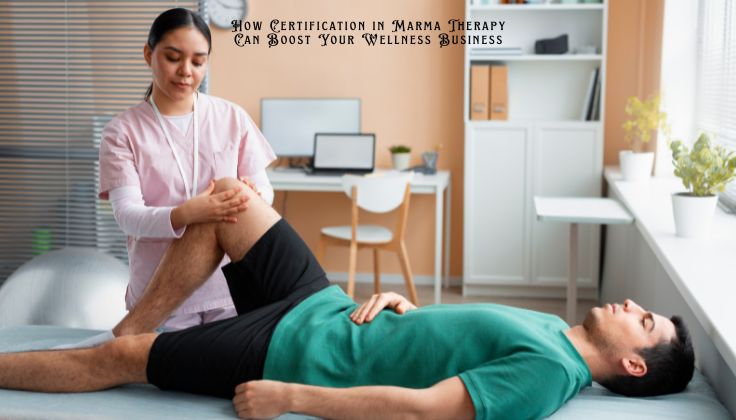
The wellness industry keeps expanding, but profit margins? They're getting squeezed. Every neighborhood now has two yoga studios, three massage therapists, and a wellness center offering the same basic services you do. If you run a spa, wellness center, or holistic practice, you already know this. Clients shop around. They compare prices. And unless you offer something they can't get anywhere else, you're stuck competing on cost alone. Marma therapy certification from authentic Marma courses in Kerala will give you a way out of this trap. It's a healing technique that works with vital energy points in the body, and most of your competitors aren't offering it yet. More importantly, clients who need this kind of work will pay premium rates for someone who actually knows what they're doing.
Why Marma Therapy Appeals to Modern Clients?
Your clients research everything before booking. They read Google reviews, check Instagram, and ask their friends for recommendations. Many have already tried standard spa services and came away disappointed. Marma therapy addresses this problem because it targets specific health issues instead of just providing temporary relaxation. A client with chronic neck pain doesn't want another generic massage. They want someone who can identify which energy points are blocked and release them systematically. When you explain your treatment approach using actual anatomical and energetic principles, clients listen. They book longer sessions. They come back monthly instead of once a year.
What Certification Changes About Your Revenue
Getting Ayurveda Courses in Kerala certified needs money and takes time. You need to know if it's worth the investment. Three things shift once you have proper credentials: Your pricing goes up immediately. A 60-minute session that used to bring in 85AED can now command 140AED or more. Clients expect to pay more for specialized therapeutic work, and they don't argue about rates when you demonstrate clear expertise. You stop getting price shoppers. The people who book marma therapy sessions are looking for results, not deals. They've usually tried other approaches that didn't work. They arrive ready to commit to a treatment plan.
Your schedule fills differently. Instead of random one-off bookings, you build a base of regular clients who need ongoing care. This makes your income predictable instead of chaotic.
Picking Training That Actually Prepares You
Some certification programs teach theory and send you out the door. You end up with a certificate but no real ability to treat complicated cases. Quality training requires hundreds of supervised practice hours. You need to work on different body types, various health conditions, and learn how to adjust your approach when something isn't working. Book knowledge won't prepare you for a client who has both digestive issues and anxiety, or someone recovering from an injury.
The School of Ayurveda structures their marma therapy program around clinical competence. Students practice on real people under supervision until they can assess conditions accurately and deliver consistent results. They also provide business guidance on pricing, marketing, and client communication. This practical support matters more than most practitioners realize when they're starting out.
Adding Marma Therapy Without Disrupting Your Current Business
You already have clients and income. Don't blow up what's working. Start by offering marma therapy to your existing client base first. Send a personal email to your top 20 clients explaining this new service. Give them a one-time discount to try it. Their response tells you whether your marketing message works before you spend money advertising to strangers. Create a signature package that combines marma therapy with something you already do well. If you run a yoga studio, pair private marma sessions with personalized movement coaching. Spas can bundle marma therapy with herbal body treatments. This makes the new service feel like a natural extension instead of a random addition. Track which clients rebook and why. Some will want monthly maintenance sessions. Others need intensive treatment for specific problems then disappear once they feel better. Both patterns are valuable, but you'll price and market them differently.
Getting Your Team Certified
If you employ other practitioners, this decision gets more complex. Certifying yourself is one thing. Training your whole team is a bigger investment. But it also multiplies your capacity. One certified practitioner can serve maybe 20-25 clients per week maximum. Three certified practitioners can handle 60-75. Your revenue ceiling just tripled.
How to Talk About Marma Therapy So Clients Actually Understand It
Most practitioners make this harder than it needs to be. They use terminology clients don't understand or make vague promises about "balancing energy." Keep explanations concrete. When someone asks what marma therapy does, tell them it releases specific points where tension, pain, or restricted circulation tends to accumulate. Mention that you'll work on points related to their particular concerns, whether that's headaches, digestive problems, or recovery from an old injury.
During initial consultations, listen more than you talk. Ask what's bothering them, how long it's been a problem, what they've already tried. This information shapes your treatment plan and shows clients you're paying attention to their specific situation, not following a generic script.
Keep simple notes after each session. Which points you worked on, how the client responded, what changed. This documentation helps you refine your approach over time and gives clients visible proof that their condition is improving.
Why the School of Ayurveda and Panchakarma Stands Out for Marma Training
You've got options when it comes to marma therapy certification. Online courses, weekend workshops, and programs that promise to certify you in a week. Most of them will take your money and leave you unprepared to handle actual clients.
School of Ayurveda and Panchakarma takes a different approach. Their marma therapy program runs deep because they teach it the way it was meant to be learned: through extensive supervised practice, not just lectures and videos.
What makes us worth considering:
-
Clinical Hours That Actually Matter
You're not practicing on classmates who are being polite about your technique. The program puts you in front of real clients with real conditions under the supervision of experienced practitioners. This is where you learn to handle complications, adjust pressure based on body type, and recognize when a point isn't releasing the way textbooks say it should.
-
Instructors Who Still Practice
The faculty at School of Ayurveda and Panchakarma run active clinics. They're dealing with the same challenges you'll face: difficult cases, clients who don't respond to standard protocols, insurance questions, pricing decisions. This practical knowledge gets passed down during training in ways that pure academics can't teach.
Ready to Add Marma Therapy to Your Practice?
School of Ayurveda and Panchakarma offers comprehensive marma therapy training designed for working practitioners who need real clinical competence, not just a certificate to hang on the wall.
Visit the School of Ayurveda and Panchakarma today to learn more about our certification program, upcoming course dates, and how marma therapy training can fit into your current schedule.