
How a 3-Month Panchakarma Course Builds Strong Clinical Skills for Aspiring Therapists
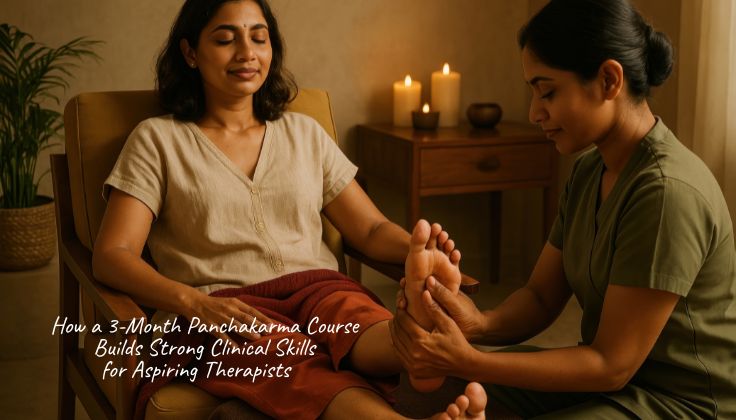
Panchakarma therapy plays a central role in Ayurvedic treatment. Clinics, hospitals, wellness centres, and retreats depend on skilled Panchakarma therapists who can handle real patients with confidence and care. Many students learn theory through books or short workshops, yet struggle when they step into a clinical setting. A structured 3-month Panchakarma training course bridges this gap and prepares aspiring therapists for hands-on professional practice. This type of course focuses on practical learning, patient handling, and day-to-day clinical routines. It helps students move beyond basic knowledge and develop skills that are required in real Panchakarma setups.
Panchakarma Beyond Textbooks
Ayurveda texts explain Panchakarma in detail, but clinical work demands more than memorisation. A 3-month course helps students understand how theory applies to real patients with different body types, health conditions, and limitations.
Students learn how classical concepts such as dosha imbalance, agni, and srotas are assessed in real consultations. Teachers guide students to connect textbook explanations with symptoms observed during therapy sessions. This approach builds clarity and confidence, which are essential for therapists working in hospitals or wellness centres.
Daily interaction with faculty allows students to ask questions and correct mistakes early. Over time, this strengthens decision-making skills during treatment planning.
Strong Foundation in Therapy Procedures
A major strength of a 3-month Panchakarma course lies in detailed training of therapy procedures. Students practice each treatment step repeatedly under supervision. This includes preparation, execution, and post-therapy care. Common procedures such as Abhyanga, Swedana, Shirodhara, and Pizhichil are taught with attention to pressure, rhythm, oil handling, and patient comfort. Internal therapies such as Vamana, Virechana, Basti, Nasya, and Raktamokshana are demonstrated with clear explanations of indications and contraindications.
This repeated hands-on practice builds muscle memory and precision. Students gain confidence in performing therapies independently while maintaining safety and hygiene standards.
Exposure to Real Patients
Clinical exposure is one of the most important aspects of skill development. A well-designed 3-month Panchakarma course includes supervised patient interaction. Students observe consultations, assist senior therapists, and gradually handle cases under guidance.
Working with real patients helps students understand how treatments vary based on age, health history, and tolerance levels. They learn how to communicate clearly, respond to patient concerns, and maintain professionalism.
Patient feedback during the course helps students identify areas for improvement. This real-world learning prepares them for employment or independent practice after course completion.
Learning Proper Assessment and Case Documentation
Strong therapists know how to assess patients correctly and maintain accurate records. A 3-month Panchakarma course trains students in basic clinical assessment methods used in Ayurveda.
Students learn how to record prakriti, vikriti, pulse findings, and treatment progress. Case documentation teaches them to track outcomes and modify therapies when needed. These skills are essential in hospitals and clinics where clear records support patient safety and professional accountability.
Understanding documentation also helps students work effectively with doctors and senior practitioners in multidisciplinary settings.
Emphasis on Safety and Ethical Practice
Panchakarma therapies involve intensive procedures that require caution. A professional course teaches students about safety protocols, hygiene standards, and ethical responsibilities.
Students learn how to identify contraindications and manage complications with supervision. Proper handling of oils, equipment, and therapy rooms is taught to prevent infections and discomfort. Ethical guidelines related to patient privacy, consent, and respectful care are also covered.
This training builds trust and professionalism, which are highly valued in Ayurvedic institutions and wellness centres.
Development of Communication Skills
Clinical success depends heavily on communication. A 3-month Panchakarma course helps students develop clear and respectful communication with patients and team members.
Students learn how to explain procedures, address doubts, and provide after-care instructions. They practice interacting with patients who may feel anxious or unfamiliar with Panchakarma therapies.
Effective communication improves patient cooperation and treatment outcomes. It also helps therapists work smoothly with doctors, nurses, and administrative staff.
Daily Clinic Operations
Therapists must understand how clinics function beyond therapy rooms. A comprehensive 3-month course introduces students to daily clinic operations.
This includes scheduling treatments, preparing therapy rooms, managing supplies, and maintaining cleanliness. Students observe how teams coordinate during busy clinic hours. This exposure prepares them for real workplace environments where efficiency and teamwork are essential.
Understanding clinic operations reduces adjustment time when students join professional setups.
Confidence to Enter the Job Market
Short workshops often leave students uncertain about their readiness. A structured 3-month Panchakarma course builds confidence through consistent practice and mentorship.
Students complete the course with hands-on exposure, patient interaction, and practical knowledge. This combination makes them job-ready for roles in Ayurvedic hospitals, wellness centres, resorts, and Panchakarma clinics. Many employers prefer candidates with formal clinical training since it reduces training time and improves service quality.
Clear Path for Career Growth
A strong foundation allows therapists to grow professionally. After completing a 3-month Panchakarma course, students can pursue advanced studies, specialise in certain therapies, or assist senior doctors in complex cases. Some graduates choose to work internationally in wellness centres that value authentic Panchakarma training. Others start their own clinics with confidence in clinical protocols and patient care. This course serves as a stepping stone toward long-term success in the field of Ayurveda and Panchakarma.
Why Choose a Structured 3-Month Course
A structured course offers discipline, mentorship, and systematic learning. Students benefit from a fixed curriculum that balances theory and practice. Regular assessments help track progress and improve skills. Training under experienced faculty ensures that students learn authentic techniques rooted in classical Ayurveda. Access to clinical facilities allows learning through observation and participation.
For aspiring therapists who want serious clinical exposure, this format delivers measurable outcomes within a focused time frame.
Conclusion
A 3-month Panchakarma course plays a crucial role in shaping capable and confident therapists. It builds clinical skills through hands-on practice, patient interaction, safety training, and professional guidance. Students gain practical knowledge that cannot be achieved through theory alone.
For those seeking a reliable pathway into Panchakarma practice, this course offers clarity, competence, and career readiness. Choosing the School of Ayurveda and Panchakarma, the top Ayurveda School in Kerala ensures quality training and long-term professional value.
If you are ready to build real clinical skills and step into professional Panchakarma practice with confidence, a structured 3-month Panchakarma course is a practical next step.