
Research Opportunities for Ayurveda Students in Kerala
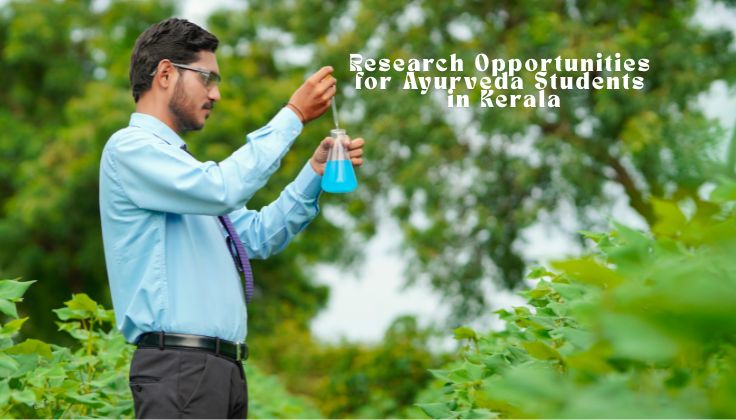
Kerala has long been recognized as the heartland of Ayurveda, offering a unique blend of classical knowledge, clinical exposure, and modern research infrastructure. For students pursuing education at an Ayurveda College in Kerala, the state provides an environment where tradition meets innovation, making it an ideal destination for academic exploration and scientific discovery.
Institutions like the School of Ayurveda play a crucial role in nurturing research-oriented thinking among students. Alongside academic programs and Ayurveda certification courses in Kerala, research opportunities allow students to deepen their understanding, contribute to evidence-based practice, and shape the future of holistic healthcare.
The importance of research in Ayurveda education
Ayurveda is a living science that continues to evolve. Research helps validate traditional practices, develop new formulations, and integrate Ayurveda with modern healthcare systems. For students, research fosters critical thinking, scientific inquiry, and clinical reasoning.
Research exposure also strengthens career prospects, opening pathways in academia, pharmaceutical development, public health, and integrative medicine. In Kerala, the availability of authentic clinical settings, herbal biodiversity, and experienced practitioners makes research more practical and meaningful.
Types of research opportunities available
Ayurveda students in Kerala can explore diverse research domains that combine classical texts with modern methodologies.
Clinical research
Clinical research focuses on evaluating Ayurvedic treatments for various diseases. Students can participate in case studies, clinical trials, and observational research conducted in Ayurveda hospitals and teaching institutions. Conditions such as lifestyle disorders, arthritis, skin diseases, and stress-related illnesses are common research areas.
Clinical exposure allows students to understand treatment outcomes, patient responses, and protocol development, contributing to evidence-based practice.
Pharmacological research
Kerala’s rich biodiversity supports extensive research on medicinal plants and formulations. Students can engage in pharmacological studies involving drug standardization, phytochemical analysis, and safety evaluation.
Research in herbal pharmacology helps validate classical formulations while also encouraging the development of new therapeutic products.
Literary and textual research
Ayurveda’s foundation lies in classical texts. Literary research involves comparative analysis of classical references, interpretation of treatment protocols, and exploration of ancient concepts in modern contexts.
Students interested in academic careers often engage in textual research to deepen theoretical understanding and contribute to scholarly publications.
Public health research
Ayurveda plays a significant role in preventive healthcare. Public health research focuses on community-based interventions, lifestyle modification programs, and disease prevention strategies rooted in Ayurvedic principles.
Kerala’s strong public health infrastructure provides opportunities for field-based research, including wellness camps and awareness programs.
Integrative medicine research
With growing interest in integrative healthcare, research combining Ayurveda and modern medicine is gaining momentum. Students can explore interdisciplinary projects evaluating complementary therapies, patient outcomes, and holistic treatment approaches.
Institutional research platforms in Kerala
Kerala hosts numerous Ayurveda colleges, research centers, and hospitals that support student research.
Teaching hospitals associated with Ayurveda colleges provide clinical research exposure, while government research institutes conduct drug development and pharmacological studies. Herbal gardens and medicinal plant conservation centers also serve as valuable research resources.
Academic conferences, workshops, and seminars organized by institutions further encourage knowledge exchange and collaborative research.
Role of internships and practical training
Internships play a vital role in research exposure. During internships, students can participate in case documentation, clinical data collection, and treatment evaluation. Practical training also helps students understand research ethics, documentation standards, and patient consent procedures.
Working under experienced physicians and researchers allows students to gain mentorship and develop confidence in conducting independent research.
Opportunities in postgraduate and doctoral research
Students interested in advanced research can pursue postgraduate and doctoral programs. Kerala offers strong academic infrastructure for MD and PhD programs in various Ayurveda specialties, including Kayachikitsa, Panchakarma, Dravyaguna, and Rasashastra.
These programs emphasize thesis work, experimental studies, and clinical research, enabling students to contribute original findings to Ayurveda literature.
Herbal biodiversity as a research advantage
Kerala’s diverse ecosystem provides access to a wide range of medicinal plants. Students can engage in ethnobotanical research, plant identification studies, and conservation projects. Herbal gardens maintained by Ayurveda institutions offer practical exposure to plant cultivation and drug preparation.
This biodiversity supports pharmacological research while also promoting sustainable utilization of medicinal plants.
Collaboration with Ayurveda pharmaceutical industry
Kerala’s Ayurveda pharmaceutical sector offers research opportunities in drug development, quality control, and formulation standardization. Students can participate in industrial internships, laboratory research, and product testing.
Collaboration with pharmaceutical companies enhances understanding of manufacturing processes, regulatory standards, and commercialization of Ayurvedic products.
Challenges and emerging research trends
Despite growing opportunities, Ayurveda research faces challenges such as standardization of methodologies, limited funding, and integration with modern scientific frameworks. However, emerging trends are addressing these issues.
Digital health technologies, artificial intelligence, and personalized medicine are influencing Ayurveda research. Increasing global interest in herbal medicine and wellness tourism is also expanding research funding and collaboration opportunities.
Students who embrace innovation while respecting classical principles can contribute significantly to overcoming research challenges.
Career pathways through research
Research experience opens diverse career opportunities for Ayurveda graduates.
Students can pursue academic roles as lecturers and researchers, work in pharmaceutical research and development, or engage in clinical research organizations. Opportunities also exist in public health projects, wellness centers, and international research collaborations.
Entrepreneurial pathways include developing herbal products, wellness programs, and integrative health services supported by research-based evidence.
Tips for students interested in Ayurveda research
Students can maximize research opportunities by adopting proactive strategies.
Developing strong foundational knowledge of classical texts supports research depth. Participating in workshops and seminars enhances methodological understanding. Building mentorship relationships with experienced faculty helps guide research direction.
Publishing research papers and presenting at conferences strengthens academic credentials. Engaging in interdisciplinary projects broadens perspective and encourages innovation.
The role of certification courses in research readiness
Ayurveda certification courses in Kerala often include modules on research methodology, clinical documentation, and pharmacology. These courses help students develop essential research skills and prepare them for advanced academic pursuits.
Short-term certification programs also provide exposure to specialized areas such as Panchakarma research, herbal pharmacology, and lifestyle disorder management.
Kerala offers a dynamic ecosystem for Ayurveda research, combining traditional wisdom with modern scientific exploration. For students studying at an Ayurveda College in Kerala, research opportunities extend across clinical practice, pharmacology, public health, textual analysis, and integrative medicine.
Institutions like the School of Ayurveda support this journey by providing academic mentorship, clinical exposure, and research infrastructure. Alongside formal education and Ayurveda certification courses in Kerala, research experience empowers students to contribute to evidence-based Ayurveda and global healthcare advancement.
As Ayurveda continues to gain international recognition, students who engage in research will play a crucial role in preserving authenticity while driving innovation. By embracing Kerala’s rich heritage and research opportunities, Ayurveda students can build impactful careers while strengthening the scientific foundation of this ancient healing system.