
How Ayurveda Colleges Blend Ancient Gurukula Learning with Modern Education
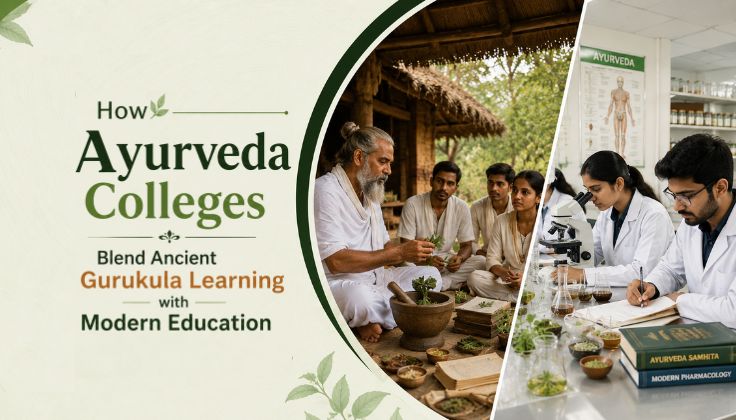
In a world driven by technology, innovation, and rapid scientific advancement, traditional systems of knowledge often face the challenge of staying relevant. Yet Ayurveda, India's ancient science of life, continues to thrive by adapting its educational approach to contemporary needs while preserving its timeless wisdom. Today, every leading Ayurveda College in Kerala is finding innovative ways to combine the age-old Gurukula system with modern educational practices, creating a learning experience that is both authentic and globally relevant.
This unique blend allows students to gain a deep understanding of Ayurvedic principles while developing the practical, scientific, and professional skills needed to succeed in today's healthcare landscape.
Understanding the Gurukula Tradition
The Gurukula system was the foundation of education in ancient India. Students lived with their teacher, or guru, learning not only through books but also through observation, daily practice, discipline, and personal interaction.
In Ayurveda, this method was especially important because healing was considered both a science and an art. Students learned by watching experienced physicians diagnose patients, prepare medicines, and recommend lifestyle changes. Knowledge was passed down through close mentorship, allowing learners to absorb the subtle aspects of healing that could not always be captured in written texts.
The Gurukula model emphasized:
- Personalized learning
- Character development
- Respect for nature
- Practical experience
- Ethical medical practice
- Holistic understanding of health
While modern institutions cannot replicate every aspect of this traditional system, many continue to incorporate its most valuable elements.
The Evolution of Ayurveda Education
As healthcare systems evolved and academic standards became more structured, Ayurveda education also underwent significant changes. Universities introduced formal curricula, examinations, research methodologies, and accreditation standards.
This transformation helped Ayurveda gain wider recognition while ensuring consistency in educational quality.
However, educators soon realized that classroom-based learning alone could not fully capture the depth of Ayurvedic wisdom. As a result, many colleges began integrating traditional teaching methods alongside modern academic frameworks.
Today, students benefit from the strengths of both systems.
Learning Ancient Texts Through Modern Methods
Classical Ayurvedic literature remains at the heart of every Ayurveda program. Foundational texts such as Charaka Samhita, Sushruta Samhita, and Ashtanga Hridaya continue to guide students in understanding the principles of diagnosis, treatment, and preventive healthcare.
Modern educational tools have enhanced how these texts are taught.
Interactive presentations, digital libraries, recorded lectures, and online learning platforms help students engage with complex concepts more effectively. Instead of simply memorizing verses, learners are encouraged to analyze, interpret, and apply classical teachings to modern health challenges.
This approach makes ancient knowledge more accessible while maintaining its authenticity.
Practical Learning Beyond the Classroom
One of the strongest influences of the Gurukula tradition is experiential learning.
Ayurveda cannot be mastered solely through theory. Students must observe patients, understand individual constitutions, identify disease patterns, and learn treatment protocols through hands-on practice.
Modern Ayurveda colleges provide:
- Clinical training in teaching hospitals
- Herbal garden studies
- Panchakarma observation sessions
- Medicine preparation workshops
- Community health programs
- Patient case discussions
These experiences mirror the apprenticeship-style learning of the Gurukula system while adhering to modern educational standards.
By interacting with real patients under expert supervision, students develop confidence and clinical competence.
The Role of Mentorship in Modern Ayurveda Colleges
Although today's students may not live with their teachers as they did in ancient times, mentorship remains a vital part of Ayurveda education.
Faculty members often serve as guides, helping students navigate both academic and personal development.
Through close interaction with experienced practitioners, students gain insights that go beyond textbooks. They learn how to communicate with patients, make ethical decisions, and approach healing with compassion.
This mentor-student relationship reflects one of the most valuable aspects of traditional Ayurvedic learning.
Integrating Scientific Research
One of the most significant differences between ancient and modern education is the emphasis on scientific research.
Modern Ayurveda programs encourage students to investigate traditional practices using contemporary research methods. This helps validate Ayurvedic principles while contributing to evidence-based healthcare.
Students often engage in:
- Clinical studies
- Herbal research
- Case documentation
- Data analysis
- Literature reviews
- Public health projects
Research not only strengthens professional credibility but also helps Ayurveda gain acceptance among global healthcare communities.
The ability to bridge ancient wisdom with modern science is becoming an increasingly valuable skill for future practitioners.
Technology in Ayurveda Education
Technology has transformed nearly every field, including Ayurveda education.
Digital resources now allow students to access classical texts, research papers, video demonstrations, and global learning opportunities from anywhere in the world.
Many institutions use:
- Virtual classrooms
- E-learning platforms
- Digital anatomy tools
- Online assessments
- Clinical management software
- Telemedicine training
These tools enhance learning efficiency while preparing students for modern healthcare environments.
Importantly, technology is used to support traditional learning rather than replace it.
Learning Through Nature
A unique aspect of Ayurveda education is its connection to the natural world.
Traditional Gurukula learning often took place in environments surrounded by forests, medicinal plants, and natural ecosystems. This close relationship with nature helped students understand the healing properties of herbs firsthand.
Modern colleges continue this practice through herbal gardens and field visits.
Students learn to identify medicinal plants, understand cultivation techniques, and appreciate the ecological foundations of Ayurvedic medicine.
This direct engagement with nature reinforces the holistic philosophy that defines Ayurveda.
Developing the Whole Person
The Gurukula system focused not only on academic knowledge but also on personal growth.
Modern Ayurveda institutions continue to emphasize qualities such as:
- Discipline
- Self-awareness
- Compassion
- Responsibility
- Mindfulness
- Professional ethics
Many programs incorporate yoga, meditation, and lifestyle practices into the curriculum. These activities help students experience Ayurvedic principles personally rather than simply studying them academically.
When future practitioners understand wellness through their own lives, they are better equipped to guide others.
Preparing Students for Global Opportunities
Ayurveda is no longer limited to India. Interest in holistic healthcare continues to grow worldwide, creating opportunities for trained professionals across numerous countries.
To meet these demands, modern institutions equip students with skills beyond traditional clinical practice.
These may include:
- Communication skills
- Research methodology
- International healthcare standards
- Entrepreneurship
- Digital healthcare practices
- Wellness management
Students graduate with the ability to apply ancient healing principles in diverse professional settings.
This global perspective ensures Ayurveda remains relevant in the twenty-first century.
The Future of Ayurveda Education
As healthcare increasingly shifts toward prevention, wellness, and holistic care, Ayurveda's importance is expected to grow.
The future of Ayurveda education lies not in choosing between tradition and modernity but in combining them effectively.
Educational institutions that preserve classical wisdom while embracing innovation are producing practitioners who are knowledgeable, adaptable, and prepared for modern healthcare challenges.
By maintaining the spirit of the Gurukula system while incorporating contemporary teaching methods, Ayurveda colleges are ensuring that ancient knowledge continues to benefit future generations.
The success of Ayurveda education lies in its ability to evolve without losing its roots. Through mentorship, practical learning, scientific research, technological integration, and holistic development, today's institutions successfully blend ancient Gurukula values with modern academic excellence.
For students seeking a meaningful and comprehensive education, an Ayurveda Courses in Kerala program offers the opportunity to experience this unique balance firsthand. As Ayurveda continues to gain global recognition, colleges that honor tradition while embracing innovation will play a crucial role in shaping the next generation of healers and wellness professionals.