
Why Students from Around the World Are Flying to Kerala Just to Study Panchakarma
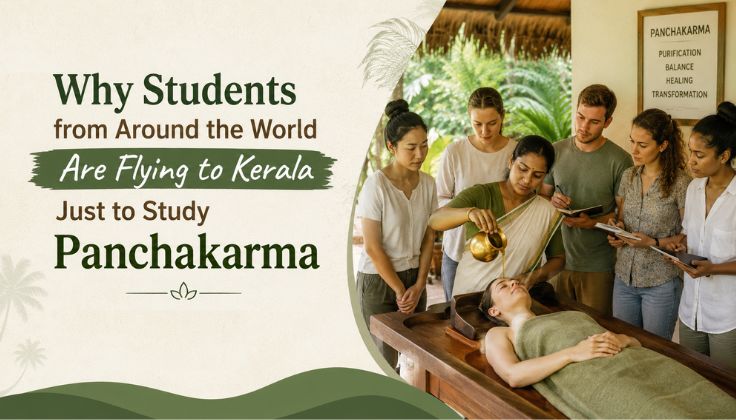
In an era where wellness trends come and go, Ayurveda continues to stand strong as one of the world's oldest and most respected systems of natural healing. Among its many therapeutic practices, Panchakarma has gained international recognition for its profound detoxification and rejuvenation benefits.
As interest in holistic health grows globally, students, healthcare professionals, wellness practitioners, and yoga enthusiasts are increasingly traveling to India to gain authentic knowledge of this ancient therapy.
What is particularly fascinating is that many of them are choosing Kerala as their destination. While digital learning options such as an Online Panchakarma Course have made Ayurvedic education more accessible, thousands of students still prefer to experience Panchakarma training firsthand in the land where Ayurveda has been preserved and practiced for generations.
So, what makes Kerala such a powerful magnet for Ayurveda learners worldwide?
Kerala: The Heartland of Authentic Ayurveda
When people think of Ayurveda, Kerala is often the first destination that comes to mind. The state's unique climate, abundant medicinal plants, centuries-old healing traditions, and strong Ayurvedic heritage have earned it a reputation as the global capital of Ayurveda.
Unlike many places where Ayurveda is taught primarily as a wellness concept, Kerala offers students the opportunity to witness it as a living tradition. Ayurvedic treatments are integrated into daily healthcare practices, and many families continue to follow Ayurvedic principles in their lifestyles.
For students seeking authentic education rather than textbook knowledge alone, Kerala provides an immersive environment that simply cannot be replicated elsewhere.
Learning from Generations of Expertise
One of the biggest reasons international students travel to Kerala is the opportunity to learn from experienced Ayurvedic physicians and therapists who have inherited knowledge through generations.
Many Ayurvedic institutions in Kerala are connected to families that have practiced traditional medicine for decades, sometimes even centuries. This lineage-based knowledge often includes practical insights, treatment observations, and clinical wisdom that go beyond what can be found in books.
Students value the chance to learn directly from experts who have spent years working with Panchakarma therapies in real clinical settings.
Experiencing Panchakarma Firsthand
Reading about Panchakarma and experiencing it are two entirely different things.
Panchakarma is a sophisticated detoxification and rejuvenation system involving a range of therapies designed to eliminate toxins, restore balance, and improve overall health. Understanding its principles requires more than theoretical study.
In Kerala, students often have opportunities to observe treatments, interact with patients, learn therapeutic techniques, and experience certain therapies themselves under professional guidance.
This hands-on exposure helps bridge the gap between theory and practice, creating a deeper understanding of how Panchakarma works in real-life healthcare settings.
Access to Traditional Treatment Centers
Kerala is home to numerous Ayurvedic hospitals, wellness centers, teaching institutions, and Panchakarma clinics.
For students, this means access to diverse learning environments where they can observe various treatment approaches and patient cases. Exposure to authentic clinical settings allows learners to understand how Ayurvedic assessments are conducted, how treatment plans are designed, and how Panchakarma therapies are customized for individual needs.
Such practical experiences often become some of the most valuable aspects of their educational journey.
The Ideal Environment for Ayurvedic Learning
Kerala's natural environment plays a significant role in Ayurvedic education.
The state's tropical climate is considered highly favorable for Ayurvedic treatments because it helps open the body's channels and supports the effectiveness of therapies. Many medicinal plants used in Ayurveda also grow abundantly throughout the region.
Students studying Panchakarma often find that being surrounded by lush greenery, medicinal gardens, and a wellness-focused atmosphere enhances their understanding of Ayurvedic principles.
The environment itself becomes part of the learning experience.
Global Recognition of Kerala's Ayurveda Education
Over the years, Kerala has built a strong international reputation for quality Ayurvedic education and treatment.
Students from Europe, North America, Australia, the Middle East, and Asia regularly visit the state to pursue professional training. This international appeal has encouraged many institutions to develop structured programs that combine traditional wisdom with modern educational standards.
As a result, learners benefit from globally relevant curricula while still receiving authentic Ayurvedic instruction.
The growing international community also creates opportunities for cultural exchange and professional networking among students from diverse backgrounds.
A Deeper Understanding of Holistic Healing
Many students arrive in Kerala expecting to learn treatment techniques. What they often discover is a much broader philosophy of health.
Ayurveda emphasizes prevention, balance, and lifestyle management rather than simply addressing symptoms. Panchakarma itself is not just a detox procedure but part of a larger framework that includes nutrition, daily routines, seasonal practices, mental well-being, and individualized healthcare.
Studying in Kerala allows students to experience these principles in action, helping them develop a more comprehensive understanding of holistic healing.
Combining Ancient Wisdom with Modern Education
Modern Ayurvedic institutions in Kerala have adapted to the needs of international learners without compromising traditional teachings.
Students often benefit from:
- Structured learning modules
- Clinical observation opportunities
- Interactive practical sessions
- Experienced faculty guidance
- Research-based discussions
- Modern teaching methodologies
This blend of tradition and innovation creates an educational experience that appeals to both beginners and healthcare professionals seeking specialized knowledge.
Personal Transformation Through Learning
An unexpected reason many students recommend studying Panchakarma in Kerala is the personal transformation they experience.
Living in an Ayurvedic environment often encourages healthier habits, mindful eating, better sleep routines, stress reduction, and greater self-awareness. Students frequently report improvements in their own physical and mental well-being during their stay.
This personal experience helps them understand Ayurveda not merely as a subject to study but as a way of life.
Such transformation often strengthens their ability to apply Ayurvedic principles professionally in the future.
Building Career Opportunities in Wellness
The global wellness industry continues to expand rapidly, creating demand for professionals with authentic Ayurvedic knowledge.
Students who study Panchakarma in Kerala often pursue careers in:
- Wellness consulting
- Ayurvedic therapy
- Holistic health coaching
- Yoga and wellness retreats
- Spa and wellness management
- Integrative healthcare settings
- Health education and training
Employers and clients increasingly value practitioners who have received training in Kerala because of the state's strong reputation for authentic Ayurvedic education.
Why Kerala Remains the Preferred Destination
While Ayurveda is now taught in many parts of the world, Kerala offers a unique combination of authenticity, practical exposure, cultural immersion, and clinical experience.
Students are not simply learning therapy. They are stepping into a living tradition that has been refined and preserved for generations. From observing treatments and interacting with experienced practitioners to experiencing Ayurvedic lifestyles firsthand, every aspect of the journey contributes to a deeper and more meaningful understanding of Panchakarma.
The growing number of international students choosing Kerala for Ayurvedic education reflects a global desire for authentic, experience-based learning. While an Online Panchakarma Course provides flexibility and accessibility for learners worldwide, many students continue to travel to Kerala because they recognize the unmatched value of studying Panchakarma in its original cultural and clinical context.
For those seeking comprehensive knowledge, practical skills, and a truly immersive educational experience, enrolling in a Panchakarma Course in Kerala offers an opportunity to learn from the source and gain insights that can shape both personal growth and professional success for years to come.